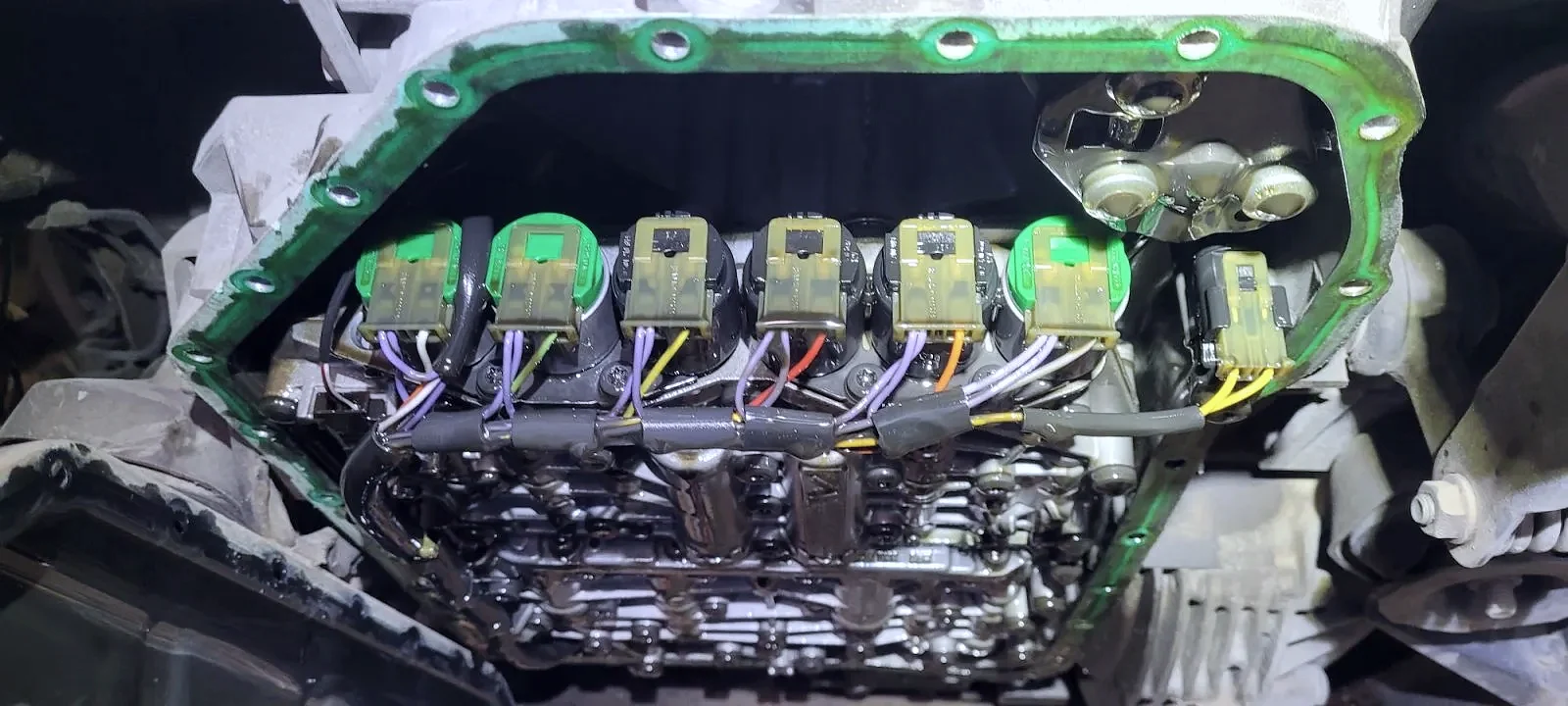
A grain hauler brought in a 3500 dually that had been slipping in fourth on every heavy load between Jerome and Burley. The previous shop wanted to drop in a remanufactured automatic without doing a scan or a pressure test. We pulled codes, read transmission data, and found a worn 4th-gear pressure solenoid pack and a tired clutch pack — not a junk transmission. Repaired, out the door for a fraction of the quote, and a year later it’s still pulling grain. That’s how transmission and drivetrain Jerome Idaho work should happen — diagnose first, replace what’s actually worn.
Transmissions are some of the most expensive repairs on a vehicle, which is exactly why a careful diagnosis matters. We won’t recommend a rebuild or a replacement until we’ve confirmed the problem.
What we cover in the drivetrain bay
- Automatic transmission service — fluid, filter, pan inspection.
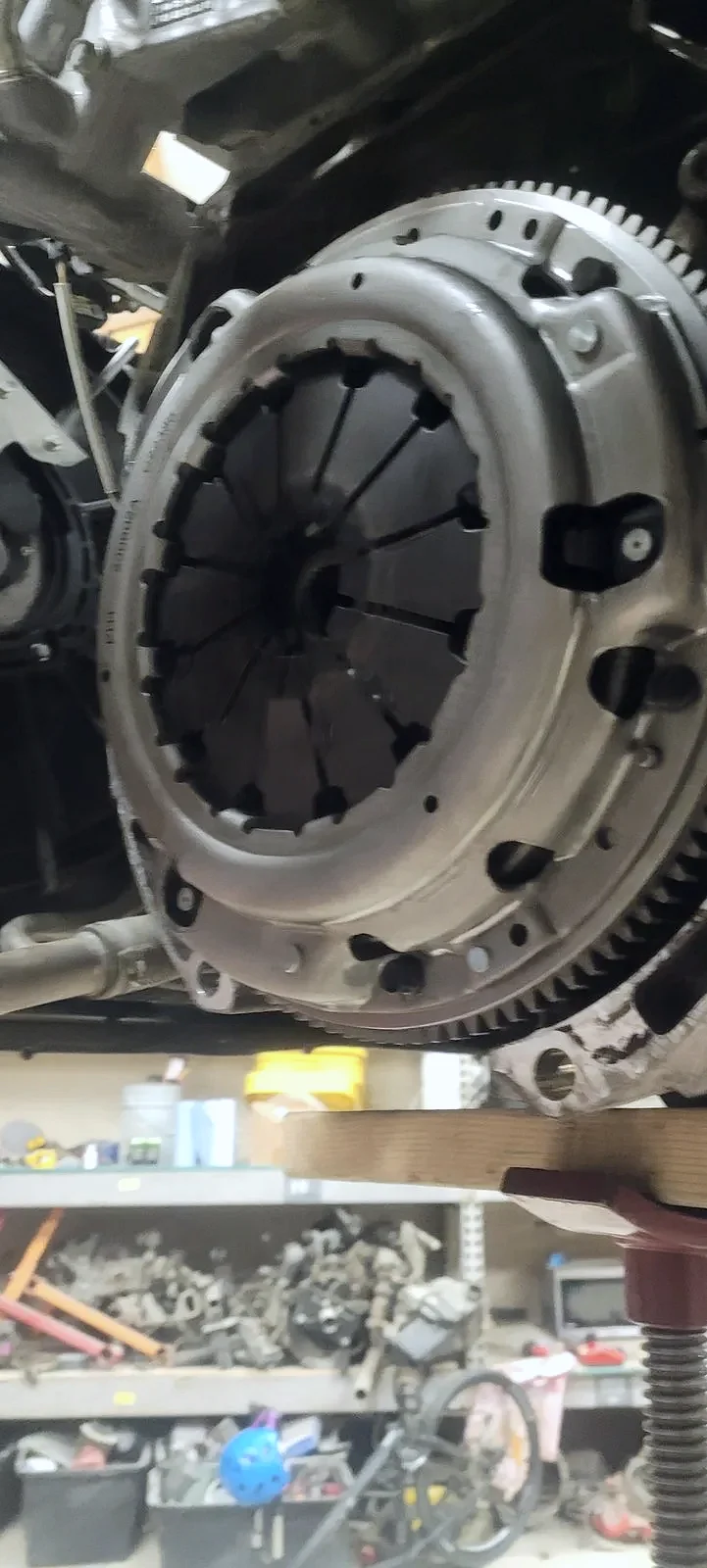
- Manual transmission and clutch work, including heavy-duty diesel clutches.
- DSG and dual-clutch transmission service.
- CVT service where the manufacturer supports it.
- Transmission diagnostics, solenoid and valve body work.
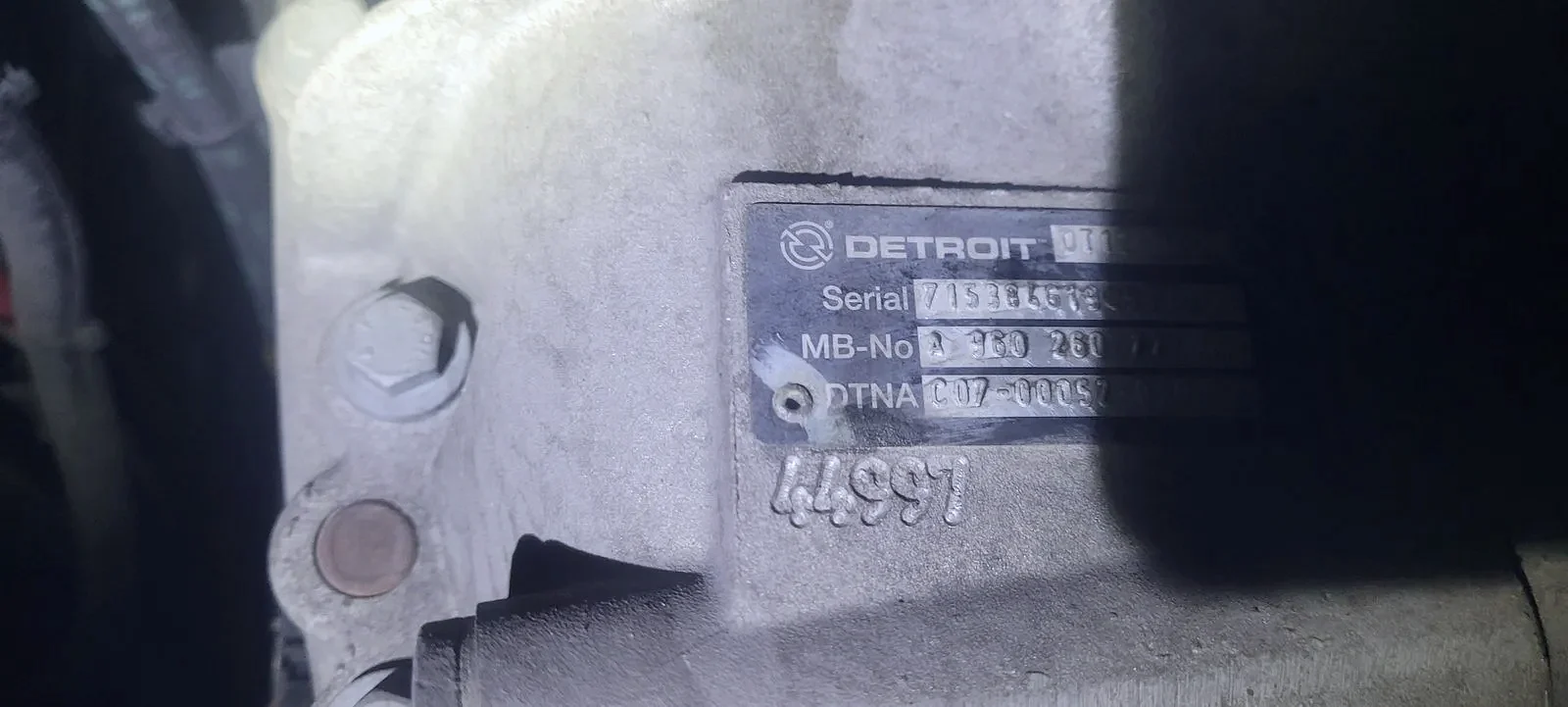
- Transmission replacement — new, remanufactured, and used as appropriate.
- Transfer case service and chain replacement.
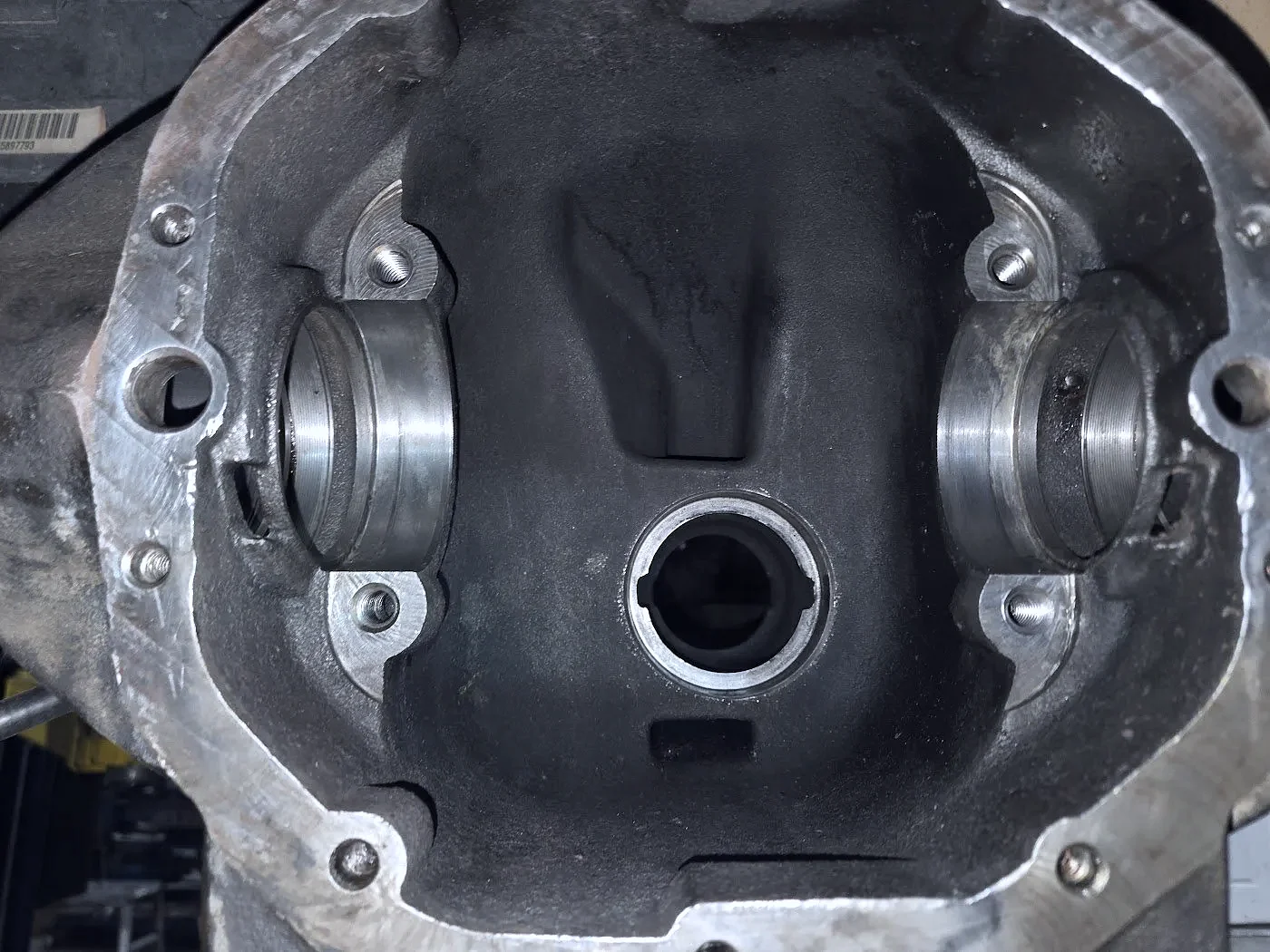
- Front and rear differential service, ring and pinion inspection.
- Axle, U-joint, CV axle, and driveshaft repair.
- Wheel seal, hub, and bearing replacement.
Why farm trucks and freight rigs wear drivetrains faster
A half-ton commuter in town might run 200,000 miles before the transmission complains. A three-quarter-ton work truck pulling stock trailers, grain wagons, or a loaded fifth wheel between Jerome and Twin Falls puts a lifetime of stress on the transmission every season. Heat is the enemy — towing heavy on a hot day pushes transmission fluid past the point where it protects the clutch packs, and after enough cycles the friction material gives up.
The freight corridor through Jerome adds long-haul mileage on top of the heavy work. We service plenty of trucks that run irrigation hauling six months a year and then turn around and pull loads east to Pocatello or west to Boise the rest of the time. Drivetrains see real miles out here.
How we diagnose transmission and drivetrain problems
Step one is always a scan — transmission codes, freeze-frame data, and live readings during a road test. Then we check fluid level, condition, and smell. Burnt fluid tells one story; clean fluid with a soft shift tells another. Pressure testing and electronic line-pressure tests catch solenoid and valve body problems that look like clutch wear.
On manual transmissions, we check clutch pedal feel, hydraulic pressure, and slave cylinder operation before we recommend a clutch pull. On differentials and axles, we listen for whine patterns and look for chips in the gear oil before condemning a ring and pinion.
Where drivetrain work crosses other bays
Hard shift complaints sometimes trace back to engine performance issues — a transmission that’s “slipping” may actually be an engine misfiring under load. Heavy diesel clutch and transfer case work often pairs with broader diesel repair. For the full overview of what lives in the shop, see our services page.
Honest estimates on big-ticket work
Transmission jobs are big bills. That’s why we test, road-test, and confirm the problem before pulling anything apart, and why every quote is written before we order parts. If a $400 solenoid kit solves your problem, you’ll save the rebuild cost. If the transmission really is done, you’ll know the full number before we start. Call or book online and we’ll get you on the schedule.
Frequently Asked Questions
How do I know if my transmission is going out?
Slipping under load, flaring on the shift, harsh or delayed engagement, fluid that smells burnt, or any check engine light related to the transmission. We scan, road-test, and check fluid condition before recommending a service, rebuild, or replacement.
Do you do clutch work on diesels and heavy trucks?
Yes. Single and dual mass flywheels, heavy-duty clutch kits for towing, and full clutch jobs on diesel trucks are routine. We also do flywheel resurface and pilot bearing work.
Can you service DSG, CVT, and automatic transmissions?
Yes — DSG fluid and filter service, CVT service where the manufacturer allows it, and full automatic transmission service on most domestic and import vehicles.
When should I service the differentials and gear oil?
Most factory schedules call for 60,000 to 100,000 miles, sooner if you tow heavy or run dusty roads. We pull the cover, inspect ring and pinion for wear, and refill with the correct spec.
Do you do written estimates on transmission jobs?
Always. Transmission work is expensive enough that we want you to see the numbers before any work begins, and we call before going beyond the estimate.
Ready to get on the schedule?
Call us, book online, or stop by the shop in Jerome.